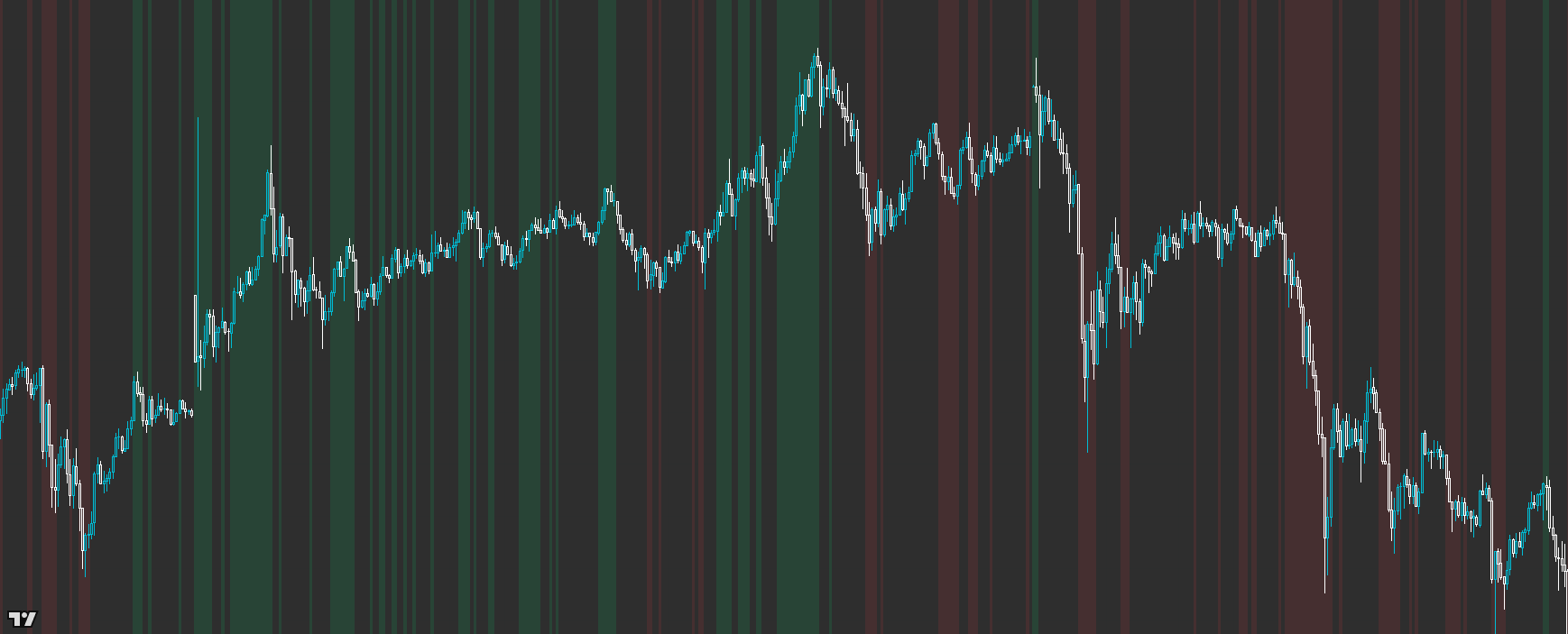
OI: Winners
Bias + structure + continuation windows, all in one clean layer. Powered by Electric Line v2 (GridBias + PD + Parabolic Buffer).
A bias-and-structure engine that highlights the side with the advantage. The GridBias blend tracks pressure across timeframes, while the Parabolic Buffer shifts and tints the PD band when continuation conditions are active.
Built for readable states and repeatable workflows — not indicator overload.
Designed to improve timing and decision quality while keeping the chart clean.
Sensible controls grouped logically — start with defaults, then tune for your market and session habits.
Access is managed via originalindicators.com — purchase, submit your TradingView username, and you’ll be added to the invite-only list.
A bias line that represents directional advantage (multi-factor blend)
PD structure/bands as an actionable framework
A continuation ‘window’ visual when conditions are supportive
Start with bias: only focus on trades that agree with the dominant side.
Use PD structure to plan entries/invalidation cleanly.
When the continuation window is active: prioritise pullbacks and add-ons over countertrend ideas.
When it’s not active: downshift aggressiveness or wait for better conditions.
Best for
- Directional sessions where you want to stay on the right side
- Using PD structure with a bias filter to reduce false starts
- Continuation-style trading when conditions are favourable
Not ideal for
- Range scalping without a regime filter
- Forcing trades when PB/continuation isn’t active
- Visual density (keep the chart readable)
- Continuation window visibility (make it obvious when it’s ‘on’)
- Any optional filters (only after you’ve learned the defaults)
Avoid over-tuning early
Start with defaults, learn the states, then tune for your main market and session habits. The edge comes from consistent execution, not constant parameter chasing.
Is this just another bias line?
No — it’s a bias layer that’s designed to work with PD structure and a continuation window so you can adjust tactics, not just direction.
Do I need to understand every engine inside it?
No. You only need to learn what each visual state means and how your execution model plugs into it.
Works across assets and timeframes — best used as a decision layer alongside your execution model.
Get Access